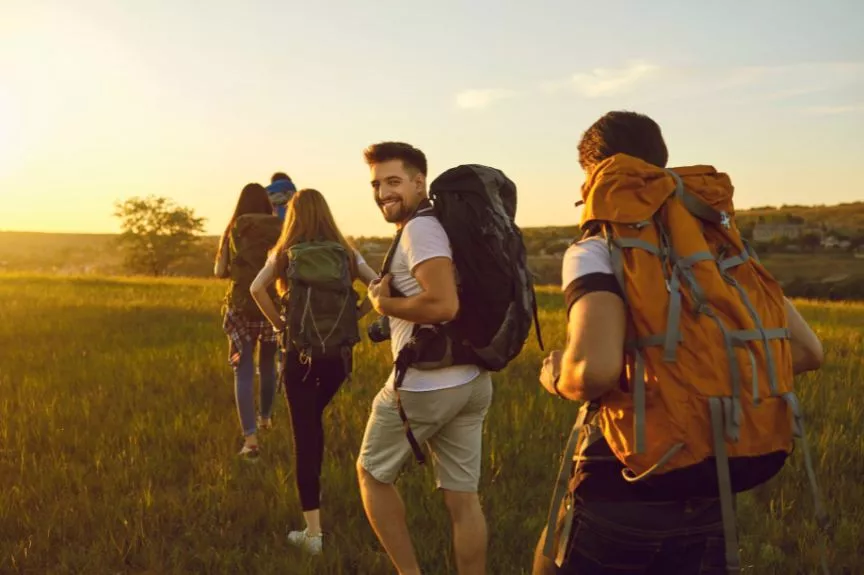
When preparing for your next hiking adventure, the key to a successful and comfortable journey lies in the art of efficient packing. By carefully selecting essential gear, utilizing smart packing techniques, and strategically distributing weight in your backpack, you can ensure a light and balanced load on the trails. But there’s one crucial aspect that many overlook, a secret weapon that can make or break your packing strategy. Curious to discover this often underestimated factor that will elevate your hiking experience?
Essential Gear Selection
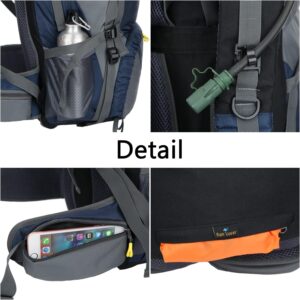
When heading out for a hiking trip, your essential gear selection can make all the difference in your comfort and safety.
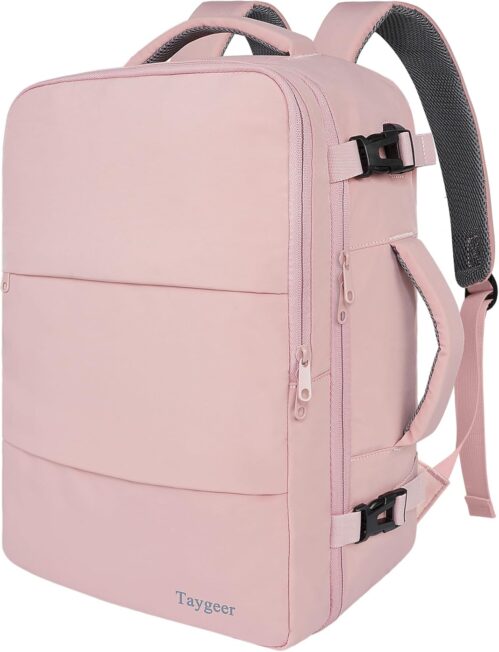
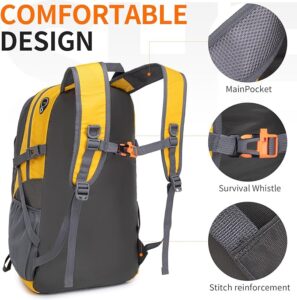
The first item you shouldn’t overlook is a reliable backpack. Ensure it fits well, has padded straps, and is large enough for your needs without being too bulky.
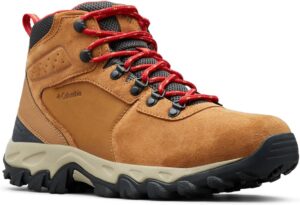
A good pair of hiking boots is crucial to prevent blisters and provide adequate ankle support on uneven terrain.
Dress in layers to easily regulate your body temperature, and don’t forget a waterproof jacket in case of unexpected rain.

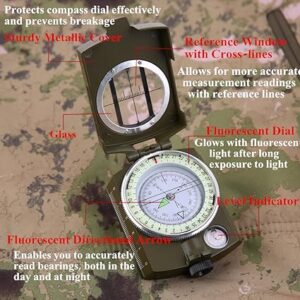
A map, compass, or GPS device is essential for navigation, especially in unfamiliar areas.
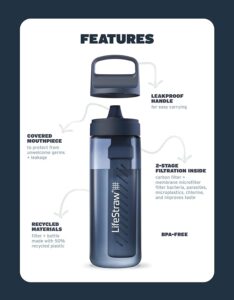
Pack enough water to stay hydrated and some high-energy snacks for quick refueling on the trail.
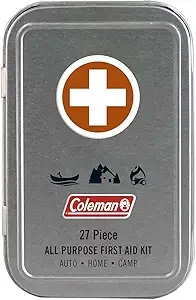
A small first aid kit with basics like bandages, pain relievers, and blister pads can be a lifesaver.
Lastly, a headlamp or flashlight will come in handy if your hike stretches into the evening.

Efficient Packing Techniques
To pack efficiently for hiking trips, prioritize organizing your gear based on frequency of use and accessibility within your backpack. Place items you’ll need often, like snacks, a map, or a rain jacket, in easily reachable outer pockets.
Pack heavier items closer to your back and in the middle of the pack to maintain balance. Roll your clothes tightly to save space and prevent wrinkles. Use stuff sacks or packing cubes to keep similar items together and make them easier to find.
Utilize the space inside your shoes by stuffing them with socks or small items. Consider using lightweight gear to reduce overall weight without sacrificing functionality. Keep essentials like a first aid kit, headlamp, and water filter in a readily accessible top pocket.
Weight Distribution Strategies
Consider distributing the weight in your backpack evenly to maintain balance and prevent strain on your body during hiking trips. Start by placing heavier items closer to your back and at the center of the pack. This central positioning helps stabilize your load and keeps the weight from pulling you backward. Lighter items can then be distributed around the heavier ones.
Utilize the compartments and pockets of your backpack to organize your gear strategically. Keep frequently used items easily accessible and balanced. Additionally, consider using compression straps to secure your load and prevent shifting while on the trail. Adjust the straps to keep the weight close to your body and minimize bouncing.
Remember to pay attention to how your backpack feels while walking. If you notice discomfort or strain in a particular area, readjust the weight distribution to alleviate the pressure. By evenly distributing the weight and making adjustments as needed, you can enhance your comfort and prevent unnecessary fatigue during your hiking adventures.
Tips for Minimizing Pack Weight
To lighten your load for hiking trips, focus on selecting multi-purpose gear and eliminating unnecessary items to minimize pack weight efficiently. When choosing gear, opt for items that serve multiple functions. For example, a lightweight jacket that can also function as a windbreaker or a headlamp with a red light setting for both night vision and emergencies. This way, you reduce the number of items you need to carry without sacrificing utility.
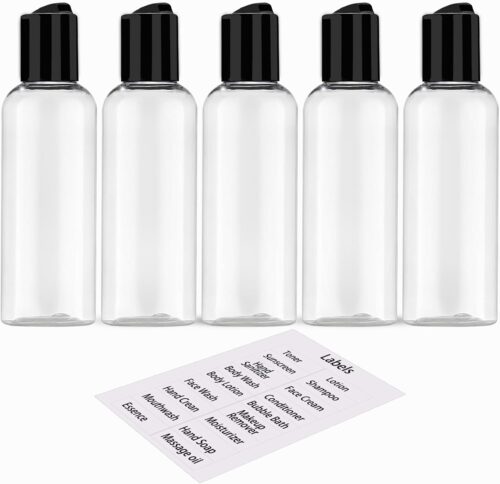
Another way to cut down on pack weight is by repackaging items into lighter containers. Transfer food into resealable bags, decant toiletries into smaller containers, and remove excess packaging from items. This simple step can significantly reduce the weight of your pack while still allowing you to bring all the essentials.
Lastly, be ruthless when it comes to excluding unnecessary items. Evaluate each item’s importance and versatility. Leave behind items that are nice to have but not essential for your trip. By being selective and mindful of what you pack, you can enjoy a lighter load and a more comfortable hiking experience.
Trending Products